




Blog
The Combination of Rattan and Wood: A Major Opportunity for the Modern Furniture Business

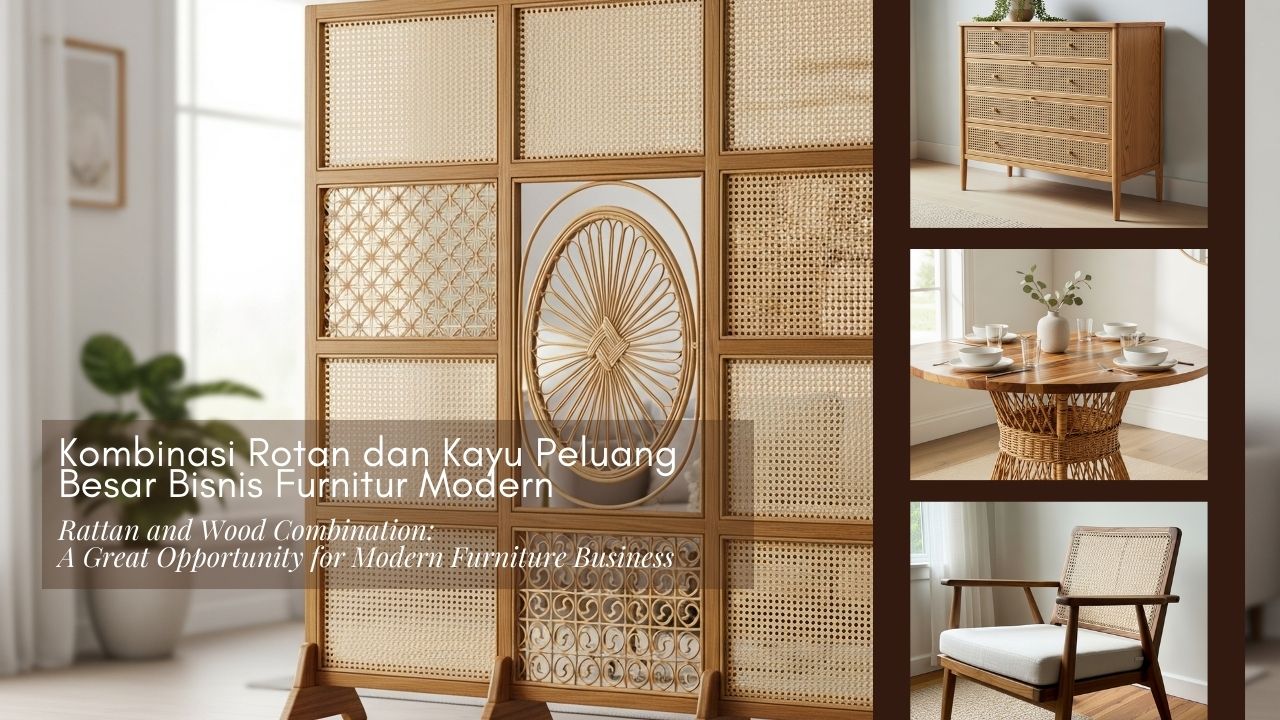
Rattan-Wood Combination: A Major Opportunity for the Modern Furniture Business
In recent years, the trend toward natural-style furniture has continued to grow in both local and international markets. Consumers increasingly favor products that evoke a sense of warmth and aesthetic appeal while fostering a connection to nature. This shift has propelled furniture made from natural materials—particularly rattan and wood—back into the spotlight of modern interior design. Rattan and wood are recognized as a perfect pairing; wood provides the strength and stability needed for the main structure, while rattan offers flexibility, unique texture, and an artistic touch unmatched by other materials. Together, they create furniture that is not only sturdy but also possesses high aesthetic value and a timeless character.
In the domestic market, demand for rattan-and-wood furniture is rising alongside the popularity of minimalist, Japandi, and tropical modern home styles. Meanwhile, in export markets, these hybrid products are sought after because they are considered... ramah lingkungan, it possesses strong artisanal value and is suitable for a wide range of concepts—from hotels and cafés to premium interior projects. This is precisely what makes rattan-and-wood furniture a major opportunity in today's furniture industry.
Advantages of the Rattan-Wood Combination
The combination of rattan and wood has proven to be one of the best formulas for creating high-quality furniture. This blend of two natural materials offers not only a unique and attractive appearance but also a perfect balance between aesthetics and strength. Rattan introduces a soft, flexible touch, while wood provides a sturdy, durable structure. When combined, they create furniture that is elegant, functional, and highly valuable.
In this section, we will explore the various advantages of the rattan-wood combination—ranging from aesthetics, durability, and design to market potential. Understanding this is essential for furniture business owners, interior designers, and consumers alike who seek high-value products with distinctive character.
Natural & Timeless Aesthetic
The combination of rattan and wood creates a warm, elegant, and natural look. Pairing the solid texture of wood with delicate woven rattan results in a timeless aesthetic. These materials suit a variety of interior styles—from Scandinavian and Japandi to tropical—making them a natural fit for the modern residential market.
Superior Structural Strength
Wood serves as a sturdy, load-bearing main frame, while rattan is used for flexible elements such as backrests, seats, or decorative accents. The combination of the two results in furniture that is more durable, stable, and comfortable to use, without compromising aesthetics.
Design Flexibility
Rattan and wood are highly malleable, allowing for the creation of diverse furniture styles. These materials can be used for products ranging from minimalist, tropical, boho, and rustic to modern classic designs. This versatility makes the rattan-and-wood combination a popular choice among interior designers and furniture manufacturers.
High Resale Value
Rattan-and-wood furniture holds high commercial value due to its premium appearance and reliable quality. These products are sought after by B2B markets—such as hotels, restaurants, and cafes—as well as the upper-middle-class residential segment. Furthermore, export demand for rattan-and-wood furniture continues to grow alongside the rising trend of sustainable living.
Commonly Used Types of Wood and Rattan
In the furniture industry, the choice of materials is not merely a matter of aesthetics but also involves considerations of strength, durability, and suitability for design requirements. The rattan and wood used must meet quality standards, particularly for export products that demand high levels of consistency and durability. Each type of wood and rattan possesses distinct characteristics—ranging from color, grain, and flexibility to strength—that make it ideal for specific functions within a piece of furniture. By understanding these differences, manufacturers can create furniture that is not only visually appealing but also durable and highly marketable.
Popular Wood Types for Rattan-Wood Furniture
- Kayu Jati
Advantages: Very strong, termite resistant and weather resistant.
Characteristics: Golden-brown color with a luxurious grain; ideal for premium and outdoor furniture.
- Kayu Mahoni
Advantages: Stable, easy to shape, suitable for carving.
Characteristics: Reddish-brown color; widely used for classic and elegant designs.
- Kayu Mindi
Advantages: More economical than teak, yet still strong and stable.
Character: Fine, light-colored grain; suitable for minimalist and Scandinavian styles.
- Kayu Sungkai
Advantages: Lightweight, easy to finish, and natural aesthetics.
Character: Vibrant colors; widely used for modern and tropical products.
- Kayu Akasia
Advantages: Strong, moisture resistant, environmentally friendly (fast growing wood).
Character: Contrasting and exotic grain; suitable for a rustic or contemporary look.
Popular Rattan Types for Furniture Combinations
- Manau Rattan
Advantages: Large diameter, strong and durable.
Usage: Chair frames, sofas, and structures requiring extra strength.
- Sega Rattan
Advantages: Flexible and easy to shape.
Usage: Weaving, curved detailing, and decorative accents.
- Rotan Jawit
Advantages: Fine, clean fibers; ideal for weaving.
Usage: Tight weave, natural webbing, and premium decorative panels.
- Rotan Eskot / Rotan Soft
Advantages: Softer, easy to work with, and natural-looking.
Uses: Fine woven products, finishing accessories, and aesthetic furniture.
- Combination of Natural and Synthetic Rattan
- Natural Rattan: Offers the most natural look; suitable for indoor use and premium designs.
- Synthetic Rattan: Weather-resistant and UV-resistant; suitable for hotel or café outdoor areas.
The two are often combined to create furniture that is both aesthetically pleasing and durable.
Material Selection Based on Product Function
- Indoor Products
Use:
- Mindi, sungkai, and mahogany wood (light aesthetics & stability).
- High-quality Jawit/Sega rattan for weaving.
The reason: Indoor spaces allow for the use of natural materials with smoother finishes.
- Outdoor Products
Use:
- Teak or acacia wood (weather-resistant).
- Synthetic rattan (UV-resistant and mildew-resistant).
The reason: It requires high resistance to heat, rain, and temperature fluctuations.
- Heavy-Duty Products
Examples: dining chairs, sofas with main frames.
Use:
- Teak, acacia, or manau wood for the frame structure.
- Decorative / Accent Products
Examples: wicker panels, lamps, light shelves.
Use:
- Jawit rattan, sega rattan, or soft rattan.
Examples of Rattan-Wood Combination Furniture Products
The combination of rattan and wood opens up vast design possibilities within the furniture industry. Blending a sturdy wooden frame with flexible woven rattan results in products that are not only strong and durable but also possess a warm, natural aesthetic character. This is why rattan-and-wood furniture is highly sought after for modern homes, cafés, and hotels, as well as in export markets.
A wide range of products can be created by combining these two materials—from dining chairs and sofas to decorative elements such as headboards, cabinets, and pendant lights. Each product offers added value: a premium look, alignment with natural interior trends, and a unique appeal that sets it apart from furniture made solely of wood or rattan. The following examples illustrate how the rattan-wood blend is applied in contemporary furniture design while preserving a distinctively Indonesian traditional identity.
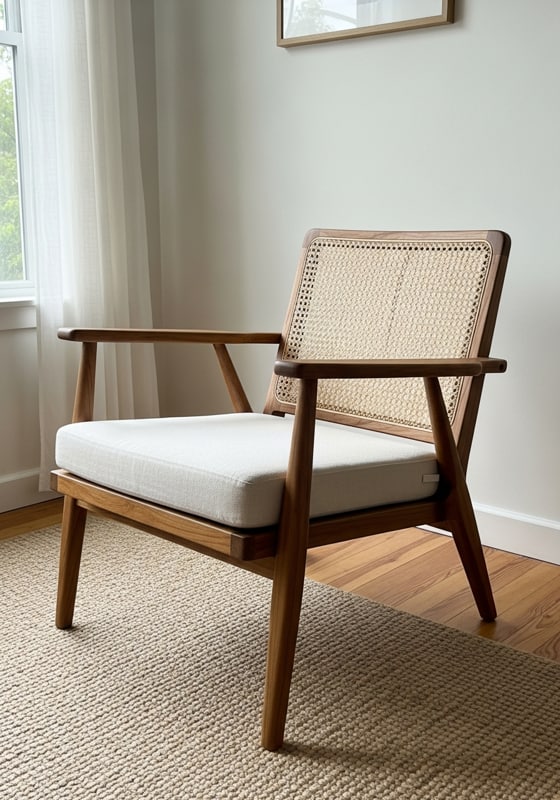
Chairs & Armchairs
The combination of a wooden frame and rattan weaving has become one of the most popular product designs. Wood serves as the primary structure to ensure strength and stability, while rattan is used for the backrest, seat, or woven accents to provide both comfort and a natural aesthetic.
This design is suitable for dining rooms, living rooms, cafes, and even hotels featuring tropical, minimalist, or Scandinavian concepts.
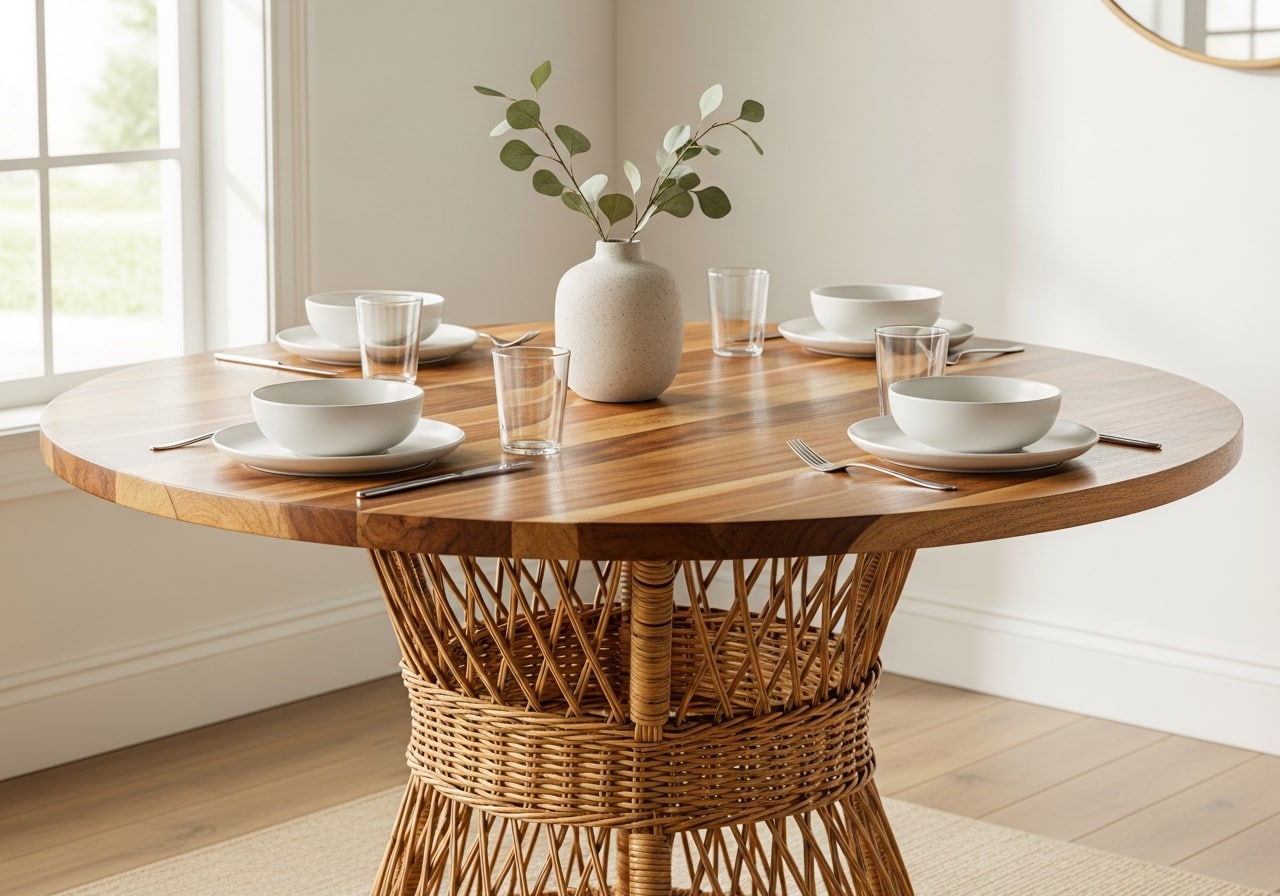
Meja & Coffee Table
For tables, the rattan-and-wood combination typically appears as rattan accents on drawers, side panels, or lower shelves. Rattan adds an artistic touch and appealing texture, while the wood provides structural support. The result is a functional table that is aesthetically pleasing and harmoniously complements a modern natural interior.
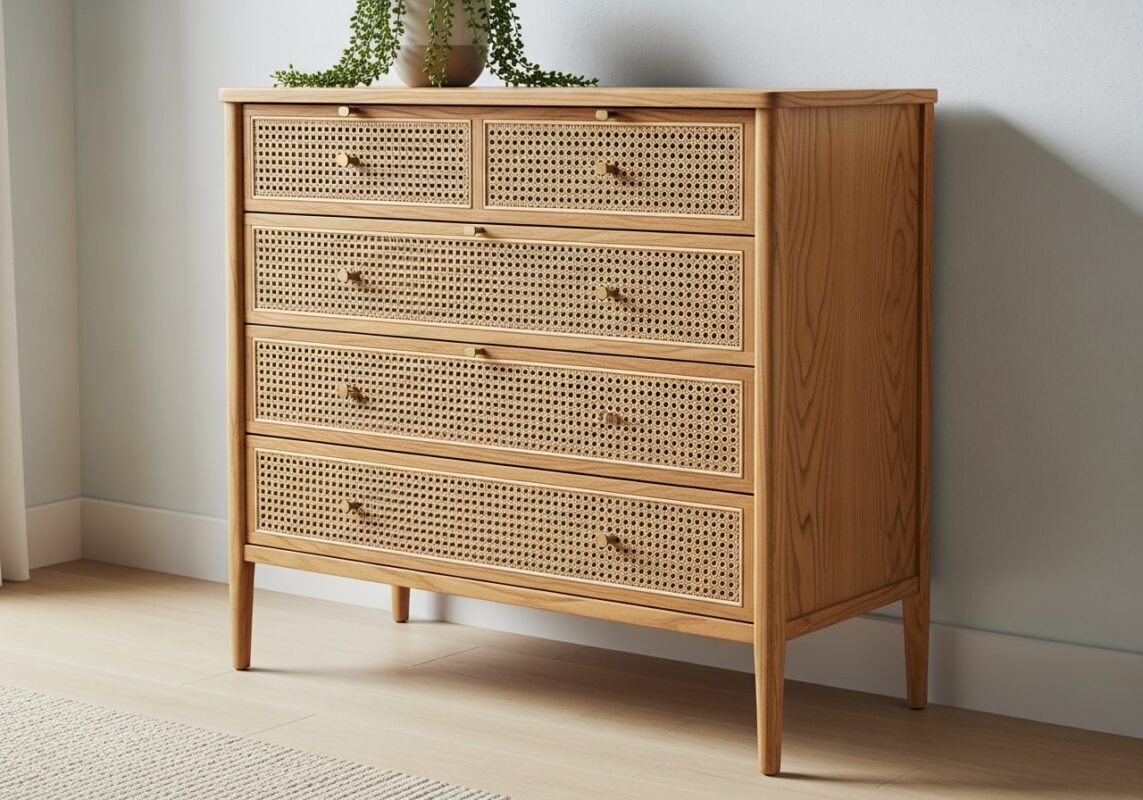
Cabinets & Shelves
Wooden cabinets featuring woven rattan doors or panels have become a trend in both residential and hospitality projects. Woven rattan not only enhances aesthetic appeal but also provides natural ventilation, making it an ideal choice for wardrobes, credenzas, or storage units. These pieces offer a light, airy, and luxurious feel without compromising on durability.
Bedframe & Headboard
For the bed and headboard, the combination of rattan and wood creates a warm, elegant, and modern resort-style look. Solid wood ensures structural sturdiness, while woven rattan introduces a natural, exotic touch. Rattan-and-wood headboards are a popular choice for hotels, villas, and premium interior projects, as they offer both visual comfort and high aesthetic appeal.
Production Process — A Blend of Craftsmanship and Technology
The production process plays a crucial role in creating high-quality rattan and wood furniture. Product excellence stems not only from the raw materials but also from how those materials are processed, assembled, and finished. The modern furniture industry now combines traditional craftsmanship—such as rattan weaving techniques and wood selection—with the latest manufacturing technologies.
This combination enables manufacturers to produce furniture with greater precision, consistency, and durability, without sacrificing the artistic touch of manual craftsmanship. From precise wood cutting and intricate rattan weaving to modern finishing processes, every stage is designed to deliver products that meet both local and international market standards. Through the integration of craftsmanship and technology, rattan-wood furniture not only boasts aesthetic appeal but also offers high functionality and strong competitiveness in the global industry.
Material Preparation
The initial production stage involves the preparation of raw materials, which determines the final quality of the furniture.
- Wood drying reduces moisture content to prevent the wood from easily warping, cracking, or being attacked by termites. Kiln drying is the standard method for ensuring structural stability.
- Selecting rattan involves considering diameter, length, flexibility, and color to meet design requirements. Rattan is chosen based on its intended function: for framing, weaving, or accents.
- The *eskot* process (rattan cleaning and softening) is carried out to make the rattan more pliable, clean, and ready for weaving. This stage also helps enhance the rattan's strength and natural appearance.
Weaving Techniques
Weaving is the core of the aesthetic character of rattan-and-wood furniture.
Various weaving techniques to produce different appearances and functions:
- Rattan mesh (open-weave rattan): creates an airy and elegant look; suitable for cabinet doors or chair backrests.
- Tight weave: stronger and more solid; ideal for seats, panels, or surfaces requiring high durability.
- Decorative weaving: combining patterns, varying rattan widths, or blending natural and synthetic rattan to create a unique, artistic aesthetic.
Finishing & Quality Control
The final stage aims to ensure the furniture looks perfect and is durable.
- Natural tones are often chosen to highlight the material's character, though other variations—such as honey, walnut, or custom colors—are also popular.
- Coating involves applying a finish—such as melamine, NC, or a water-based coating—to furniture to protect the surface from scratches, moisture, and discoloration.
- Detailed inspection (quality control) covers the checking of joints, surface smoothness, frame strength, and weave consistency to ensure the product is ready and meets export standards.
Rattan and Wood Furniture Business Opportunities
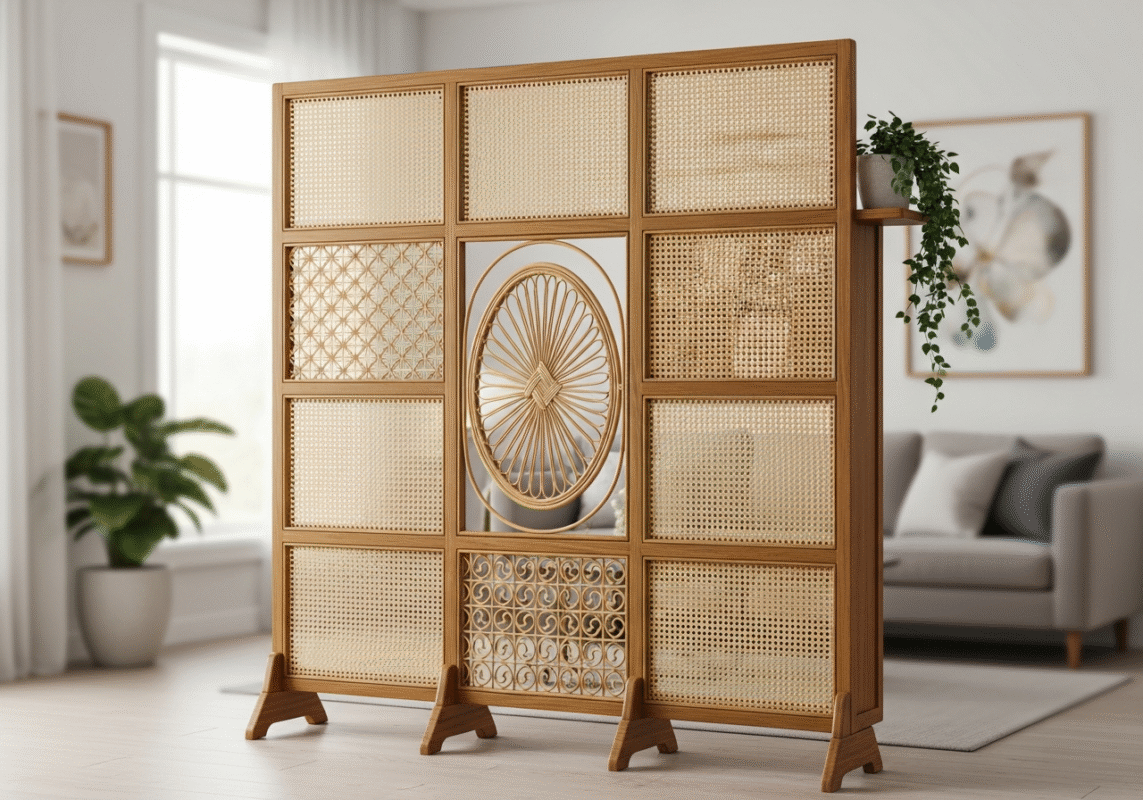
Demand for furniture with a natural aesthetic continues to rise in both local and global markets. Consumers are now seeking products that are not only functional but also reflect a lifestyle that is sustainable, warm, and aesthetically pleasing. This is where furniture... kombinasi rotan–kayu ...occupies a highly strategic position. With its unique character—combining the sturdiness of wood with the artistry of rattan—this hybrid product meets the needs of diverse market segments, ranging from modern homes, cafés, and hotels to project and export markets. Furthermore, interior design trends such as tropical modern, Japandi, Scandinavian, and boho continue to drive rising demand for products made from rattan and wood.
Supported by Indonesia's abundant natural resources and the skills of local artisans, the rattan and wood furniture industry holds significant potential to grow into a leading commodity. For both established players and newcomers, this is an opportune moment to capitalize on the momentum and develop a business geared toward the long-term market.
Domestic Market Demand
The domestic market is showing significant growth, driven by the rising trend of natural and minimalist interiors.
- Hotels and resorts choose rattan-and-wood furniture for its warm aesthetic, which suits both tropical and modern luxury concepts.
- Cafés and restaurants leverage this combination to create an aesthetic and Instagrammable ambiance.
- Minimalist homes are increasingly incorporating rattan and wood furniture, as it is lightweight, versatile, and easy to blend with various styles such as Japandi or Scandinavian.
Growth in the hospitality and home renovation sectors has also bolstered demand throughout the year.
Export Opportunities
Indonesia has a strong reputation as a producer of high-quality rattan and wood, so export opportunities are wide open.
Some of the main destination countries include:
- Europe (Netherlands, Germany, France): demand for products with clean designs that are eco-friendly and handmade.
- Japan: a premium market that prioritizes precision, detail, and natural materials.
- United States: favors rattan and wood furniture for coastal, boho, and modern farmhouse styles.
- Middle East: a market with a demand for large-scale hotel and villa projects, prioritizing luxurious and durable designs.
Indonesian rattan and wood products are readily accepted due to their high aesthetic value, superior craftsmanship, and mass production capabilities.
High-Margin Products
Beberapa kategori furnitur kombinasi rotan–kayu memiliki tingkat keuntungan lebih besar karena permintaan tinggi dan nilai estetika yang premium.
Produk dengan margin terbaik meliputi:
- Chairs (dining chairs, lounge chairs, armchairs): stable demand, varied designs, and added value through weaving.
- Rattan panel cabinets (wardrobes, sideboards, credenzas): highly sought after in both local and global markets thanks to their natural aesthetic and natural ventilation.
- Custom furniture for cafés, hotels, and interior projects: offers high margins due to exclusive designs, specialized finishes, and large order volumes.
Challenges and Solutions in Rattan-Wood Furniture Production
Behind the beauty and premium value of rattan-and-wood furniture lies a production process that demands a high level of precision. Combining two distinct materials—each with its own unique characteristics—presents a unique challenge for manufacturers. Flexible, lightweight rattan must be precisely integrated with harder, more rigid wood, requiring strict quality standards at every stage of production.
Furthermore, the furniture industry currently faces other challenges, such as raw material consistency, the need for skilled labor, ever-changing market demands, and quality requirements for exports. However, these challenges are not obstacles; rather, they present opportunities to drive innovation and efficiency. Through the right choice of materials, the implementation of production technologies, the enhancement of artisan skills, and the development of adaptive designs, manufacturers can create high-quality, consistent rattan-wood furniture that is highly competitive in the international market.
Material Quality Consistency
One of the key challenges is maintaining consistent quality in the wood and rattan. Variations in moisture content, color, rattan diameter, and even wood grain characteristics can affect the final result.
Solution:
- One of the key challenges is maintaining consistent quality in the wood and rattan. Variations in moisture content, color, rattan diameter, and even wood grain characteristics can affect the final result.
- Selecting rattan based on size, flexibility, and cleanliness.
- Applying the same material quality standards for mass production.
Through strict material control, manufacturers can maintain consistent furniture quality across large-scale production.
Need for Skilled Artisans
Woodworking and rattan weaving techniques require specialized skills. A shortage of experienced artisans can lower quality and slow down production.
Solution:
- Conducting internal training and cultivating a new generation of artisans.
- Combining manual production with precision machinery to reduce reliance on individual skills.
- Creating detailed SOPs for each stage of the work process.
The combination of traditional skills and modern standards ensures more consistent, high-quality results.
Finishing Management for Durability
The finish affects the durability and appearance of furniture. If it is inconsistent, the result can be patchy, prone to peeling, or lack weather resistance.
Solution:
- Uses high-quality coatings (NC, melamine, or water-based).
- Set up the finishing area with proper dust control and ventilation.
- Assign layered QC to check the color, smoothness, and thickness of the coating.
The right finish will enhance the market value and lifespan of the furniture.
International Shipping (Packing & Moisture Control)
Export shipments require furniture to be protected against impacts, mold, and changes in humidity.
Solution:
- Uses wooden crating, cardboard, and bubble wrap for maximum protection.
- Add silica gel or a moisture absorber to control humidity during the journey.
- Complies with ISPM-15 standards for wood packaging materials in international shipping.
- Testing packaging durability prior to bulk shipment.
Proper packaging ensures the product arrives in perfect condition in the destination country.
Tips for Growing a Rattan-Wood Combination Furniture Business
The rattan and wood furniture industry has emerged as one of the most promising sectors in both local and international markets. Demand for products with a natural aesthetic continues to rise, driven by the growing popularity of minimalist, tropical, and eco-friendly interior design trends. However, to enter this business or take it to the next level, entrepreneurs must understand the right strategies—spanning everything from raw material management, design, and production to marketing. A business combining rattan and wood relies not only on creativity but also requires quality management, production precision, and the ability to build market networks. By implementing measured, industry-standard-oriented steps, business owners can enhance their competitiveness and seize broader opportunities, including exports.
The following section discusses practical tips to guide beginners, MSMEs, and manufacturers looking to scale up their rattan-wood furniture businesses. Below is a comprehensive and structured explanation of tips for starting or expanding a business specializing in furniture that combines rattan and wood:
Collaboration with Local Artisans
Local artisans possess traditional skills in rattan weaving and woodworking that are difficult for machines to replicate. Long-term collaboration can ensure that product quality remains consistent and distinctive.
Manfaat:
- The woven product is neater and possesses high artistic value.
- Production speed increased thanks to a solid team.
- Adds authentic value to the product, which is highly favored by the export market.
Focus on Functional & Aesthetic Design
Design is a key factor in winning market competition. The combination of rattan and wood allows for a wide range of styles, from minimalist, Japandi, and tropical to modern classic.
Kiat:
- Prioritize ergonomic comfort for chairs and sofas.
- Use rattan accents to add visual value without compromising structural strength.
- Conduct research on global design trends to create products that are market-fit.
Maintaining the Availability of Raw Materials
Smooth production relies heavily on the quality and continuity of wood and rattan raw materials.
Strategi:
- Establish partnerships with trusted rattan and wood suppliers.
- Maintain a reserve stock for best-selling models.
- Use materials suited to their function (e.g., teak or acacia for outdoor use; mindi or sungkai for indoor use).
A stable supply of raw materials will reduce production delays and boost buyer confidence.
Optimize Branding & Product Catalogs
Strong branding serves as a differentiator in a competitive market. For rattan and wood furniture, product visuals play a crucial role.
Steps that can be taken:
- Create a professional catalog (high-resolution photos, material details, dimensions).
- Showcase lifestyle designs to make it easier for buyers to visualize the context of use.
- Build a brand identity through storytelling about craftsmanship and quality.
- Leverage digital platforms such as Instagram, B2B marketplaces, and websites to reach a wider market.
Conclusion
The combination of rattan and wood offers significant opportunities within the modern furniture industry. Blending these two materials strikes a perfect balance between natural beauty and structural integrity, resulting in products that are not only functional but also highly aesthetic. With their warm, versatile, and timeless appeal, rattan-wood furniture pieces are highly sought after for minimalist homes, cafes, hotels, and premium interior projects. Lifestyle trends favoring natural aesthetics, combined with steadily rising export demand, give these products high market value and promising long-term prospects. For industry players, this material combination represents not merely a design choice but a strategic business move capable of strengthening their position in both local and international markets.
 English
  Indonesian