



Blog
Tips for Making Rattan Furniture Last Longer Outdoors

Tips for Making Rattan Furniture Last Longer Outdoors
Rattan furniture is increasingly popular for outdoor spaces such as gardens, home terraces, cafes, and resorts. Its natural, warm, and aesthetic qualities make it a favorite choice for creating an atmosphere that is both relaxed and elegant. Furthermore, the trend toward eco-friendly design has driven the use of natural materials like rattan in the furniture industry. However, using rattan outdoors presents specific challenges. Exposure to direct sunlight, rain, and high humidity can accelerate deterioration if the material is not properly treated and maintained. Issues such as mold, decay, discoloration, and a loss of structural integrity frequently affect outdoor rattan furniture. Rattan furniture is more durable.
Therefore, this article aims to provide practical guidance for artisans, manufacturers, and owners of rattan furniture on how to craft and maintain pieces to ensure greater durability and suitability for outdoor use. With the right choice of materials, production processes, and maintenance, rattan furniture can remain long-lasting without losing its aesthetic appeal or functionality.
Choosing the Right Type of Rattan for Outdoor Use
The choice of rattan type is the primary factor determining the durability of outdoor rattan furniture. Not all rattan varieties share the same characteristics, especially when subjected to exposure to sunlight, rain, and high humidity.
Natural Rattan vs. Synthetic Rattan
Natural rattan comes from the rattan plant and boasts a natural appearance and high aesthetic appeal. However, it requires proper processing and maintenance to withstand outdoor conditions; without adequate protection, it is more susceptible to mold, decay, and discoloration. In contrast, synthetic rattan is made from plastic or resin materials designed to mimic the look of genuine rattan. These materials are generally more resistant to water and UV rays, making them relatively safer for outdoor use. Nevertheless, synthetic rattan is often considered to lack the natural, exclusive feel of the genuine article.
Stronger Natural Rattan Varieties for Outdoor Use
For natural rattan outdoor furniture, it is advisable to select varieties characterized by a large diameter, dense fibers, and high strength. Types of rattan that are relatively more durable for outdoor use include *manau*, *semambu*, and *jawit*—provided they have undergone a proper preservation process. These varieties are known for their superior resistance to stress and are less prone to breakage when used for structural frames or primary weaving.
The Importance of Mature Rattan and Fiber Quality
Rattan derived from mature plants possesses denser fibers and a stronger structure compared to young rattan. Characteristics of high-quality rattan include a texture that is both hard and flexible, uniform fiber color, and a lack of cracks, holes, or natural defects. Using low-quality rattan will cause furniture to deteriorate more quickly, even if the design and finishing are excellent.
Common Mistakes in Selecting Rattan
A common mistake is using rattan intended for indoor furniture in outdoor settings. Indoor rattan generally lacks the preservation and finishing treatments necessary to withstand extreme weather conditions. Consequently, the furniture becomes prone to mold, turns brittle, and loses its structural integrity in a short period. Selecting the appropriate type of rattan from the outset minimizes the risk of damage to outdoor furniture, while also extending its lifespan and preserving its aesthetic quality over the long term.
Raw Material Processing That Determines Durability
The durability of outdoor rattan furniture is determined not only by its design and finish but relies heavily on the initial processing of the raw material. Properly processed rattan offers superior resistance to weather, mold, and pest infestations.
Drying Rattan to Ideal Water Content
The drying stage aims to reduce the moisture content of the rattan so that it does not easily develop mold or warp during use. Rattan with high moisture content tends to absorb environmental humidity and become a breeding ground for mold. Drying can be carried out naturally using sunlight or by using a kiln dryer until the rattan reaches the ideal moisture level for furniture production. This process must be performed evenly to prevent the rattan from cracking or splitting.
Anti-Fungal and Anti-Insect Preservation Process
Once dry, the rattan must undergo a preservation process to protect it from mold, termites, and other destructive insects. Preservation is typically carried out by soaking or spraying the material with specialized preservatives. This step is crucial for outdoor rattan furniture, as outdoor environments have higher humidity levels that can accelerate material deterioration.
The Importance of Rattan Sorting and Cleaning
Before entering the production stage, the rattan must be thoroughly sorted and cleaned. Sorting aims to categorize the rattan based on size, quality, and flexibility, while also removing pieces that are defective, cracked, or riddled with holes. Cleaning helps remove residual dirt, the outer skin, and microorganisms that could trigger future decay. Well-sorted, clean rattan is easier to process and results in stronger furniture.
The Influence of Raw Material Quality on the Service Life of Furniture
High-quality rattan raw material yields furniture that is more durable and stable in the long run. Conversely, the use of low-quality rattan accelerates the onset of issues such as unraveling weaves, fragile frames, and surface deterioration—even after finishing. Therefore, investing in proper raw material processing is a crucial step toward extending the lifespan of outdoor rattan furniture.
Construction Techniques for Outdoor Rattan Furniture
In addition to the quality of raw materials, construction techniques play a crucial role in determining the strength and durability of rattan furniture intended for outdoor use. Proper construction ensures the furniture remains stable and sturdy, capable of withstanding changing weather conditions.
Sturdy and Stable Frame Design
The frame serves as the primary structural support for rattan furniture. For outdoor use, the frame design must be more robust than that of indoor furniture. Ideally, the frame should feature balanced support points, strong joints, and even load distribution. Reinforcing the legs, backrest, and frame corners is highly recommended to prevent cracking or breakage caused by weight and long-term use.
Combining Rattan with Other Materials
To enhance strength and durability, outdoor rattan furniture is often combined with other materials such as hardwood, aluminum, or galvanized iron. Hardwood provides a natural, robust aesthetic, while aluminum and galvanized iron offer superior resistance to moisture and rust. This combination of materials helps reduce the structural load on the rattan, thereby extending the furniture's lifespan.
Tight and Strong Woven Technique
The rattan weave must be made tight and consistent so that it does not loosen or come apart easily. Good weaving techniques also help rattan withstand changes in temperature and humidity. Anyaman A weave that is too loose risks rapid deterioration, whereas one that is too tight can cause the rattan to snap easily. Striking a balance between tightness and flexibility is the key at this stage.
Vulnerable Points for Damage and How to Address Them
Some of the areas on outdoor rattan furniture most susceptible to damage include frame joints, the ends of the weave, and parts that frequently come into direct contact with the ground or water. To address this, joints should be reinforced using proper binding techniques or additional fasteners; the ends of the weave must be neatly finished and protected with a high-quality coating; and the base of the furniture should be fitted with protectors or pads to prevent the direct absorption of ground moisture. By employing appropriate construction techniques, outdoor rattan furniture not only offers visual appeal but also possesses the strength and durability required for long-term use.
The Right Finish for Outdoor Rattan Furniture
The finish serves as the final protective layer that is crucial for the outdoor durability of rattan furniture. Without a proper finish, rattan easily absorbs water, fades quickly due to sunlight, and is prone to weathering, even if the material and construction are of high quality.
Types of Weather Resistant Finishing
For outdoor rattan furniture, the finish must provide protection against water and UV rays. Common finishing options include marine varnish, polyurethane (PU), and specialized outdoor coatings. Marine varnish is known for its high elasticity and moisture resistance, making it suitable for areas with heavy rainfall. PU finishes provide a durable surface and a more modern look, while specialized outdoor coatings are designed to withstand extreme weather fluctuations.
Protective Layer Function against UV and Water
The finishing layer acts as a barrier between the rattan and the external environment. UV protection prevents the rattan from discoloring and becoming brittle, while water protection reduces the risk of it absorbing excess moisture. With a quality protective coating, the rattan structure remains stable and does not easily expand or contract, resulting in more durable rattan furniture.
Application Techniques for an Even and Durable Finish
The finishing process must be carried out gradually and evenly. Before applying the finish, the rattan surface needs to be cleaned and ensured to be completely dry. It is best to apply the finish in several thin layers rather than a single thick coat to ensure a more durable result that is less prone to peeling. Sufficient drying time must be allowed between the application of each layer.
Frequency of Refinishing Treatments
Even with high-quality finishes, outdoor rattan furniture still requires periodic maintenance. Generally, the finish needs to be renewed every one to two years, depending on the level of weather exposure and intensity of use. This maintenance helps ensure optimal protection and extends the lifespan of the rattan furniture. With the right finish and routine care, outdoor rattan furniture can retain its attractive appearance and offer greater durability, even when used in open-air environments.
Correct Placement and Use
Beyond materials, construction, and finishing, the placement and usage of rattan furniture significantly influence its durability. Rattan furniture that is positioned and used correctly will have a much longer lifespan, particularly in outdoor settings.
Furniture Placement: Open vs. Semi-Outdoor
Rattan furniture will last longer if placed in a semi-outdoor area, such as a covered terrace or a balcony sheltered from direct rain. Continuous exposure to rain and sunlight can accelerate the deterioration of the rattan, even if it has been finished. If the furniture must be placed in an open area, ensure that its design and finish are specifically engineered for extreme outdoor conditions.
Use of Roofs, Canopies, or Garden Umbrellas
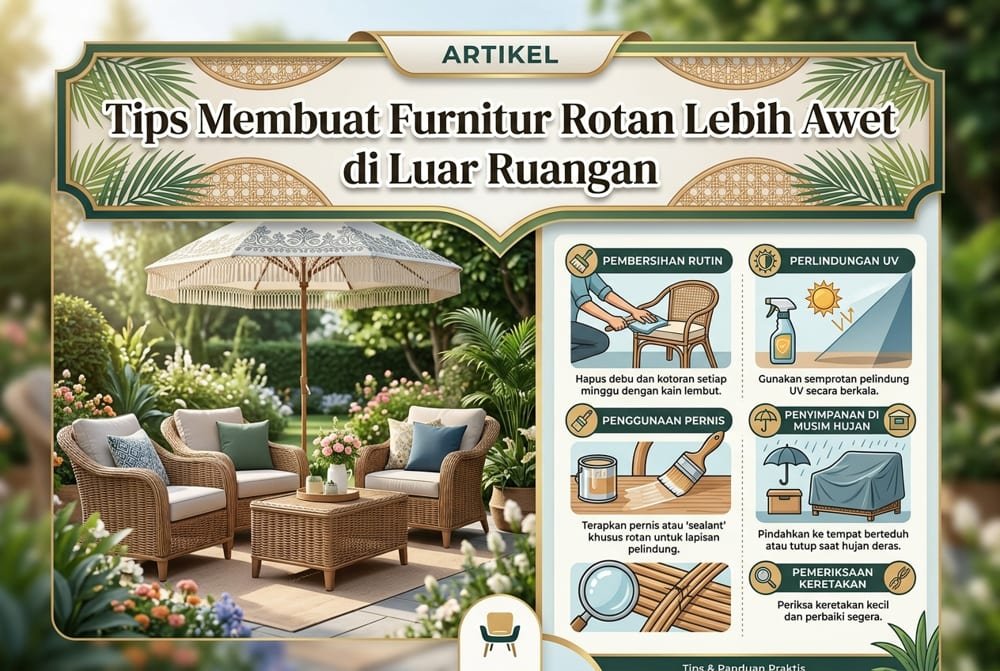
The use of a roof, canopy, or garden umbrella is highly recommended to protect rattan furniture from direct rain and excessive UV exposure. This additional protection helps preserve the color and strength of the rattan fibers while slowing down the material's weather-related aging process.
Avoiding Direct Contact with Soil and Water
Direct contact with the ground or standing water is a primary cause of rapid deterioration in rattan furniture. Moisture from the ground can seep into the rattan, triggering mold growth and decay. To prevent this, use furniture pads or leg protectors, or place the furniture on a dry surface with good drainage.
Tips for Daily Use to Prevent Premature Furniture Damage
During daily use, avoid roughly dragging or sliding the furniture, as this can weaken the joints and the weave. Regularly clean the furniture to remove dust and dirt, and dry it immediately if it gets wet. During extreme weather or prolonged rainy seasons, the furniture should be moved to a more sheltered area or covered with a specialized outdoor furniture cover. With proper placement and use, outdoor rattan furniture can remain functional and safe, while retaining its aesthetic appeal for a longer period.
Routine Maintenance for Outdoor Rattan Furniture
Routine maintenance is key to ensuring outdoor rattan furniture remains durable and comfortable to use. Even though the furniture is made from high-quality materials and features a weather-resistant finish, proper care is still essential to prevent damage early on.
Periodic Cleaning to Remove Dust and Mold
Outdoor rattan furniture should be cleaned regularly to remove dust, dirt, and potential mold. Cleaning can be done using a dry cloth or a soft brush to reach the crevices of the weave. For stains or mild mold, use a damp cloth with mild soap, then dry immediately. Avoid using harsh chemicals that could damage the finish.
How to Store Furniture During the Rainy Season
Proper storage is highly recommended during the rainy season or when the furniture is rarely used. Ideally, the furniture should be moved to a dry, well-ventilated area. If this is not possible, use a specialized outdoor furniture cover that is waterproof yet breathable; this prevents moisture from becoming trapped and causing mold growth.
Signs That Furniture Needs Repair or Refinishing
Signs that rattan furniture requires immediate repair or refinishing include the appearance of cracks, loosening of the weave, color fading, or a rough surface texture. Early intervention can prevent extensive damage and extend the furniture's lifespan. Periodic light refinishing also helps maintain weather protection.
Common Maintenance Mistakes
Common mistakes in the maintenance of outdoor rattan furniture include leaving it wet for too long, cleaning it with excessive water, and placing it in enclosed areas lacking ventilation. Additionally, the use of abrasive cleaners or harsh chemicals can damage the finish and accelerate the deterioration of the rattan. With proper routine care, outdoor rattan furniture can remain attractive, sturdy, and comfortable for long-term use, even when exposed to outdoor environments.
Common Mistakes That Cause Rattan Furniture to Deteriorate Quickly
Although rattan furniture is visually appealing and highly aesthetic, errors in material selection, the production process, or maintenance can cause it to deteriorate quickly, especially when used outdoors. Here are some common mistakes that often occur.
Finish Too Thin or Unsuitable for Outdoor Use
One of the most common mistakes is using a finish that is too thin or not specifically designed for outdoor conditions. Finishes that lack resistance to water and UV rays will quickly peel, making the rattan prone to absorbing moisture and decaying. For outdoor furniture, the finish must truly serve as a protective layer rather than merely enhancing the appearance.
Use of Low-Quality Rattan
Using low-quality or immature rattan is a common practice aimed at cutting production costs. However, this type of rattan has more brittle fibers and is prone to damage when exposed to the elements. Consequently, the furniture lacks durability and requires repairs after a short period. Cost-cutting at the raw material stage can actually lead to higher maintenance expenses down the line.
Aesthetically Pleasing but Structurally Weak
Rattan furniture designed with an excessive focus on aesthetics—without regard for structural integrity—is also prone to premature damage. Flimsy frames, weak joints, or disproportionate weaving can compromise the furniture's durability, particularly when used outdoors where it is subjected to heavier loads and harsher environmental conditions.
Neglecting Post-Use Care
Another common mistake is neglecting maintenance after the furniture has been used. Furniture left dirty, damp, or exposed to extreme weather without protection will deteriorate more rapidly. In reality, simple and routine care can significantly extend the furniture's lifespan. By understanding and avoiding these mistakes, outdoor rattan furniture can be used for a longer period, remain structurally sound, and retain its aesthetic appeal over the long term.
Conclusion
Outdoor rattan furniture can be highly durable when made from quality materials, crafted using proper processing and construction techniques, and maintained consistently. These three factors are interconnected and serve as the key to preserving both the structural integrity and the appearance of outdoor rattan furniture. Investing in high-quality rattan and finishes suitable for outdoor conditions is not merely an extra expense, but a strategic move to extend the furniture's lifespan. With optimal protection, the risk of weather-related damage is minimized, and the need for repairs is reduced. Rattan Furniture: Built to Last.
With its natural aesthetic appeal, design versatility, and eco-friendly nature, rattan remains a relevant and attractive material choice for outdoor furniture. When properly designed and maintained, outdoor rattan furniture offers comfort, beauty, and long-lasting functionality.
 English
 Indonesian