




Blog
Rattan Processing: From Natural Raw Material to Finished Furniture


Rattan Processing: From Natural Raw Material to Furniture
Indonesia is renowned as one of the world's largest producers of rattan. Rattan is a premium natural material that grows abundantly in Indonesia's tropical forests and has long been utilized as a raw material for furniture and handicrafts. Its characteristics—strength, flexibility, and lightness—make it a preferred material for creating products that offer both aesthetic appeal and functionality. In the furniture and handicraft industries, rattan plays a vital role as either a primary or supplementary raw material. It is used in a wide range of products, from chairs, tables, and sofas to decorative elements. Beyond its distinctive visual appeal, rattan is an eco-friendly material; it is derived from a renewable natural resource and supports the sustainability of nature-based industries. Rattan Processing.
However, the quality and durability of rattan furniture depend not only on the type of rattan used but also on the processing method. Proper processing stages—ranging from harvesting, drying, and preservation to finishing—significantly influence structural strength, pest resistance, and the product's lifespan. Therefore, understanding the rattan processing workflow is a key factor in producing high-quality, high-value rattan furniture.
Rattan as a Raw Material for Furniture
Rattan is a natural furniture material distinguished by its unique characteristics and high value. Derived from a climbing palm found in tropical forests, rattan is renowned for a combination of strength and flexibility that is unmatched by other natural materials. These qualities make it ideal for crafting furniture in a wide range of forms, serving both structural and decorative purposes.
In the furniture industry, rattan is utilized in various forms—such as whole poles, split strips, or woven strands—depending on the product's design and intended function. Its ability to be shaped without compromising structural integrity makes it ideal for creating ergonomic and artistic furniture designs. Furthermore, rattan’s natural texture and distinctive grain lend it significant aesthetic appeal, giving rattan furniture a unique allure in both local and international markets. As a raw material, rattan also offers sustainability advantages; it grows relatively quickly and can be harvested without felling trees, making it more environmentally friendly than hardwood. With proper processing, rattan yields furniture that is not only visually stunning but also strong, durable, and of high economic value.
Types of Rattan and Their Characteristics as Furniture Raw Materials
In the furniture and handicraft industries, not all types of rattan serve the same function. Each variety possesses distinct characteristics that determine its role regarding the structure, design, and quality of the final product. Some of the most commonly used types include *jawit*, *manau*, *sega*, and "soft" rattan.
Jawit Rattan Variety
Jawit rattan is renowned for its strong, dense structure, making it a frequent choice for furniture frames. Its robust characteristics make it ideal for bearing weight and ensuring the stability of furniture, particularly chairs and tables.
Manau Rattan
It is a type of large-diameter, high-strength rattan. It is widely used for large-scale furniture and premium products due to its excellent durability and its natural, elegant appearance.
Jenis Rotan Sega
Sega rattan has a smaller diameter and fine fibers. It is frequently used for weaving or as a decorative element in furniture. Sega rattan is also popular due to its neat appearance and ease of shaping.
Rotan Soft
The "Soft" variety possesses a high degree of pliability and is relatively easy to shape. This type of rattan is widely used for design details, curves, and intricate weaving that require high flexibility without the risk of snapping.
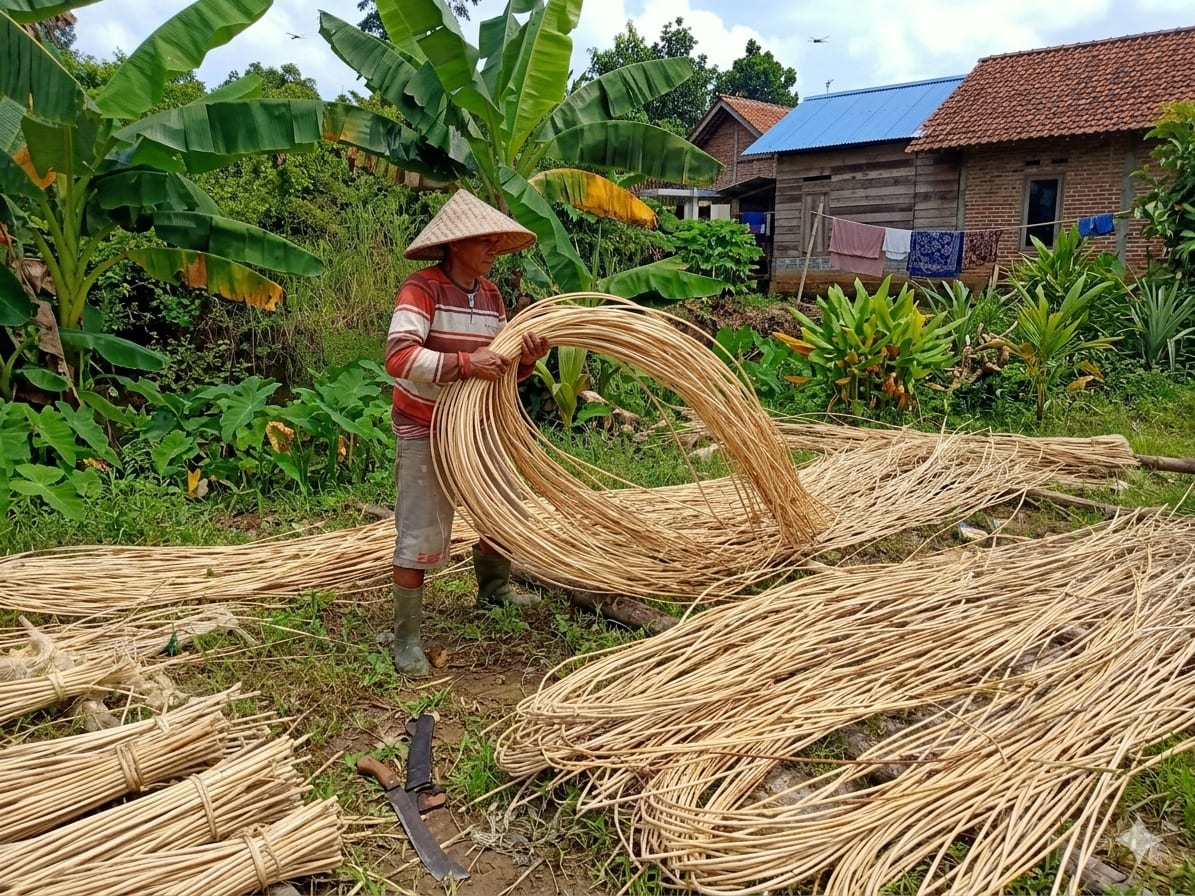
Key Characteristics of Rattan
As a raw material for furniture, rattan possesses several key characteristics that give it an advantage:
- Strength
Despite being lightweight, rattan possesses good resistance to pressure and loads, making it suitable for use as a furniture structure. - Flexibility
Rattan can be bent through a heating process without losing its strength, enabling the creation of dynamic and ergonomic furniture designs. - Natural Fibers
Natural rattan fibers provide a distinctive aesthetic appeal, adding visual value while creating a warm, natural feel to the furniture.
Advantages of Rattan Compared to Other Materials
Compared to other materials such as hardwood or metal, rattan offers a number of advantages. It is lighter, easier to shape, and comes from a renewable resource. Furthermore, the processing of rattan is relatively more... ramah lingkungan and supports the principle of sustainability. These qualities make rattan the material of choice for furniture that prioritizes aesthetics, functionality, and environmental sustainability.
Rattan Harvesting Process
Rattan is a high-value forest product, and its quality is largely determined at the harvesting stage.
1. Rattan Source
Rattan comes from two primary sources: natural forests and cultivated forests. Wild rattan generally has denser fibers, whereas cultivated rattan offers more uniform dimensions and a sustainable supply.
2. Sustainable Harvesting Techniques
Rattan harvesting using sustainable techniques, such as:
- Selecting rattan that has reached the right stage of maturity.
- Do not cut down the entire clump.
- Leaving behind buds for the next growth cycle.
This method is crucial for maintaining forest sustainability and the long-term availability of rattan.
3. Preliminary Sorting at the Harvest Site
After harvesting, the rattan is immediately sorted on-site based on:
- Long
- Diameter
- Physical condition (straight, defective, or damaged)
This initial sorting facilitates the subsequent processing stages and ensures consistent quality.
4. Effect of Harvesting on Rattan Quality
Proper harvesting techniques will yield rattan that is:
- Stronger and more flexible
- The fibers do not break easily.
- More resilient during the drying and processing stages.
Conversely, improper harvesting can reduce the quality of the rattan and its market value.
Pengolahan Awal Rotan (Primary Processing)
After harvesting, rattan must undergo preliminary processing to maintain its quality and prepare it for the next stage of production.
1. Cleansing the Outer Skin
The first stage involves cleaning the outer skin of the rattan to remove dirt, thorns, and rough layers. This process helps produce a cleaner rattan surface and prevents damage during subsequent processing.
2. Cutting to Size
The rattan is then cut to standard lengths and diameters as required. Precise cutting facilitates sorting, storage, and use in the production of furniture or handicrafts.
3. Initial Drying
The drying process reduces the moisture content of the rattan, whether through natural sun-drying or the use of drying ovens. This initial drying stage is crucial for preventing mold, preserving fiber strength, and minimizing the risk of cracking.
4. Objectives of Pre-treatment
Pre-treatment aims to:
- Maintaining the physical quality and strength of the rattan.
- Increases storage capacity
- Ensuring the rattan is ready for further processing.
This stage serves as the primary foundation for producing high-quality rattan.
Rattan Preservation
Rattan is a natural material susceptible to pest and fungal attacks if not properly dried. Therefore, the preservation process is a crucial step in maintaining the quality and durability of the rattan.
1. Pest and Fungal Risks
Rattan with high moisture content is susceptible to attack by fungi and insects, such as powder-post beetles and termites. If not addressed early on, such infestations can compromise the rattan's strength and shorten its lifespan.
2. Rattan Preservation Methods
- Soaking in Preservative Solution
Rattan is soaked in a preservative solution to protect its inner fibers from pests and microorganisms. This method is commonly used to enhance the long-term durability of the rattan. - Smoking
Smoking is carried out using heat and smoke to reduce moisture content while inhibiting mold growth. This process also helps stabilize the color of the rattan. - Environmentally Friendly Methods
Some manufacturers use eco-friendly methods, such as natural preservatives or controlled drying systems, to reduce environmental impact without compromising quality.
3. Impact of Preservation on the Service Life of Rattan
Proper preservation can:
- Extending the lifespan of rattan
- Maintain strength and flexibility
- Increasing market value and market confidence
Preservation is not merely an additional process, but a crucial investment in producing high-quality rattan.
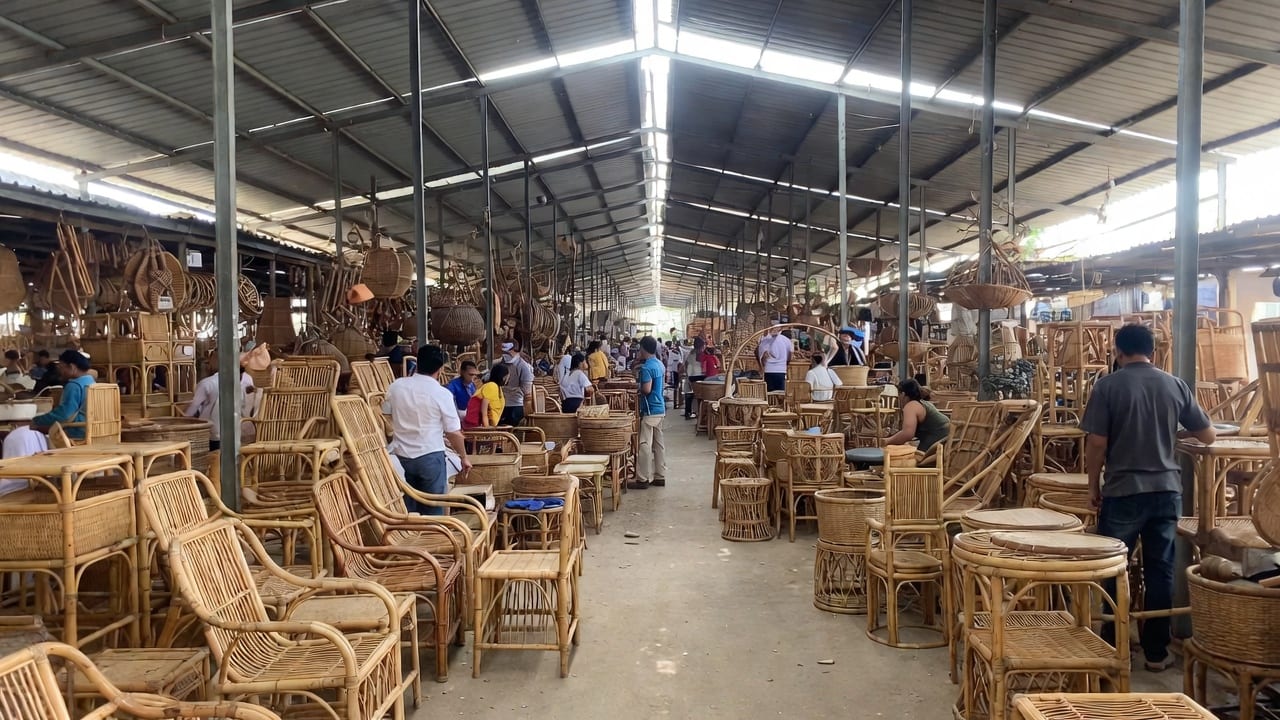
Rattan Shaping Process
After undergoing processing and preservation, the rattan is ready for the shaping process—the stage that determines the form and aesthetic value of the final product.
1. Heating and Softening of Rattan
Rattan is heated using steam, fire, or specialized heating equipment to soften its fibers. This process makes the rattan more pliable, allowing it to be shaped without damaging the fiber structure.
2. Bending Technique
Bending is performed in two ways:
- Manual; utilizing the effort and manual skill of artisans.
- Machine, for producing consistent and precise shapes.
These two techniques are selected based on the design and production requirements.
3. Construction of the Furniture Frame
The bent rattan is then assembled into furniture structures, such as chairs, tables, or decorative elements. Precision in shaping at this stage significantly influences the product's strength and comfort.
4. The Role of Artisan Expertise
The artisan's skill plays a crucial role in maintaining the balance between strength, functionality, and aesthetics. Their experience and precision ensure that every curve of the rattan is neatly executed and of high value.
Rattan Furniture Assembly
The assembly stage is a crucial process that determines the strength, stability, and durability of rattan furniture.
1. Assembly of the Main Frame
Assembly begins by constructing the main frame according to the design.
Each rattan component is positioned with precision to ensure the furniture is well-balanced and comfortable to use.
2. Joining Techniques
Joints are key to the strength of the framework. Some commonly used techniques include:
- Rattan bindings, for flexibility and a natural look.
- Nails, for quick and strong connections.
- Screws, for precision and ease of maintenance.
The choice of technique is tailored to the function and design of the furniture.
3. Structural Strengthening
Once connected, the frame is reinforced at key load-bearing points.
This reinforcement ensures the furniture can withstand pressure and long-term use.
4. Frame Quality Control
The final stage is quality control, comprising:
- Joint strength inspection
- Frame stability
- Neatness of form
Quality control ensures the furniture frame is ready for the finishing stage.
Rattan Furniture Finishing Process
The finishing process is the final stage that determines the visual appearance, aesthetic value, and durability of rattan furniture.
1. Sanding
The rattan surface is sanded to remove rough fibers and even out the texture.
This step is important to ensure the final finish feels smooth and is ready to accept color or a coating.
2. Coloring
Rattan can be dyed to suit design requirements, such as:
- Natural, to highlight the natural grain.
- Stain, to deepen the natural color.
- Paint, for a modern look and a variety of colors.
Coloring gives character and identity to a product.
3. Protective Coating
After staining, the rattan is finished with a protective layer, such as a clear coat or melamine. This layer protects the rattan from moisture, stains, and abrasion, while also extending the furniture's lifespan.
4. Aesthetic & Protection Objectives
Finishing not only enhances the appearance but also preserves the quality of the rattan, ensuring it remains strong, durable, and comfortable in the long run.
Quality Control and Product Standards for Rattan Furniture
Kontrol kualitas merupakan tahap penting untuk memastikan furnitur rotan aman, kuat, dan sesuai standar pasar.
1. Strength and Stability Check
Each product undergoes testing to ensure a sturdy frame, strong joints, and stability during use. These checks aim to prevent damage and guarantee user comfort.
2. Quality Standards for Local and Export Markets
Rattan furniture for the local and export markets is subject to different standards, particularly regarding:
- Structural strength
- Quality of the finish
- Safety in use
For the export market, products must meet international standards to compete in the global market.
3. The Role of Quality Control in the Rattan Industry
Quality control acts as a guardian of quality, ensuring that every product leaving the production line maintains consistent quality and high market value. Through effective quality control, the rattan industry can build market trust and a long-term reputation.
Sustainability Aspects of the Rattan Industry
The rattan industry plays a vital role in supporting environmental, social, and local economic sustainability.
- Rattan as an Environmentally Friendly Material
Rattan is a natural material that regenerates quickly and can be harvested without damaging the forest ecosystem. Using rattan helps reduce reliance on synthetic materials and heavy timber.
- Social Impact on Artisan Communities
The rattan industry creates jobs and preserves the traditional skills of local artisans. This expertise, passed down through generations, serves as both a source of livelihood and a cultural identity for the community.
- The Role of the Rattan Industry in the Local Economy
The rattan industry value chain, spanning from upstream to downstream, drives regional economic growth. Stable market demand helps improve community well-being and sustainably strengthens the local economy.
Conclusion
The quality of rattan furniture is determined by every stage of the processing, from the selection of raw materials to the final finish. Each step plays a crucial role in maintaining the product's strength, aesthetics, and durability. The rattan industry is the result of a harmonious collaboration between nature, technology, and artisan craftsmanship.
The combination of natural materials, modern techniques, and skilled craftsmanship results in high-value furniture. With its eco-friendly and sustainable nature, rattan is emerging as a material of the future for a furniture industry that prioritizes aesthetics, functionality, and environmental responsibility.
 English
  Indonesian