




Blog
Natural Rattan Sofa: An Eco-Friendly Furniture Choice

Natural Rattan Sofa: An Eco-Friendly Furniture Choice
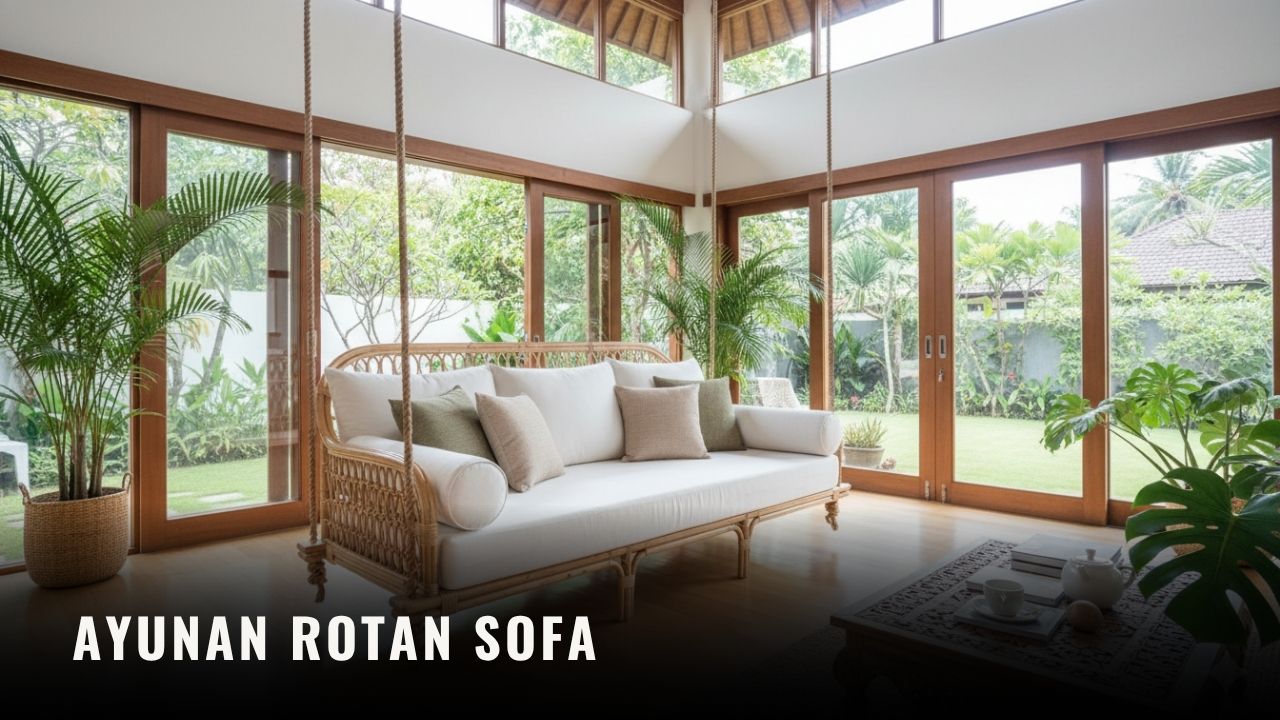
In recent years, the use of furniture made from natural materials has become increasingly popular in modern homes. People are now seeking products that are not only functional but also bring a warm, natural feel to their living spaces. Rattan has made a comeback thanks to its aesthetic appeal, lightweight nature, and eco-friendliness. Among the various types of rattan furniture, the natural rattan sofa stands out as a favorite choice. In addition to adding a natural touch that enhances both interior and exterior décor, rattan sofas are renowned for their durability and versatility, blending seamlessly with a wide range of styles. desain—ranging from minimalist and boho to tropical modern. The beauty of the woven texture makes the rattan sofa not merely a place to sit, but also a decorative element that enhances the character of a space. Natural Rattan Sofa.
Getting to Know Rattan Material
Rattan has long been a favorite material in the furniture world, thanks to its strength, flexibility, and natural appearance. As a climbing plant that thrives in Indonesia's tropical forests, rattan possesses unique characteristics that make it easy to shape, weave, and integrate into various modern designs. Before delving deeper into natural rattan sofas, it is important to first understand the types, properties, and advantages of rattan that make it one of the best materials for high-quality furniture.
Types of Rattan Commonly Used for Natural Rattan Sofas
In the manufacture of rattan sofas, specific types of rattan are selected for their strong physical characteristics. Some of the most frequently used varieties include:
- Manau Rattan This is the strongest and sturdiest type of rattan, making it ideal for sofa frames that require high durability. Its large diameter and solid texture make it a premium choice.
- Sega Rattan It is more pliable than *manau* rattan and is frequently used for the curved sections or decorative details of sofas. It features a bright color and fine grain, and is easier to weave.
- Rotan Fitrit — Rattan processed into thin strips for weaving. It is typically used for the seat, sides, or backrest surfaces of a sofa.
- Rotan Kulit — The polished outer layer of the rattan provides a smoother, more aesthetic appearance. It is often used as a finishing element or as a weaving detail to reinforce the structure.
Characteristics of Rattan as a Furniture Material
Rattan possesses distinctive properties that make it ideal for furniture such as sofas:
- Strong — Despite being lightweight, rattan has high density and is capable of supporting heavy loads.
- Flexible — Easily bent when heated, making it suitable for sofa designs with naturally curved shapes.
- Lightweight — Makes the sofa easy to move and more flexible for room arrangement.
- Durable — With proper care, rattan can be used for years without easily breaking or becoming damaged.
Differences Between Natural Rattan and Synthetic Rattan
To understand the options for sofa materials, here is a comparison:
- Natural Rattan
- Made from genuine rattan.
- A more natural, warm appearance with high aesthetic value.
- It has a distinctive aroma and a natural texture.
- Suitable for indoor or shaded semi-outdoor spaces.
- It requires regular maintenance to prevent dampness or mold.
- Synthetic Rattan (PE Rattan)
- Made of polyethylene (PE) or weather-resistant synthetic material.
- More resistant to rain, heat, and UV—ideal for outdoor use.
- The texture is more uniform, and the color does not fade easily.
- Maintenance is easier, and the risk of mold is minimal.
- It is slightly heavier, and the natural feel is not as authentic as genuine rattan.
Advantages of Natural Rattan Sofa Chairs
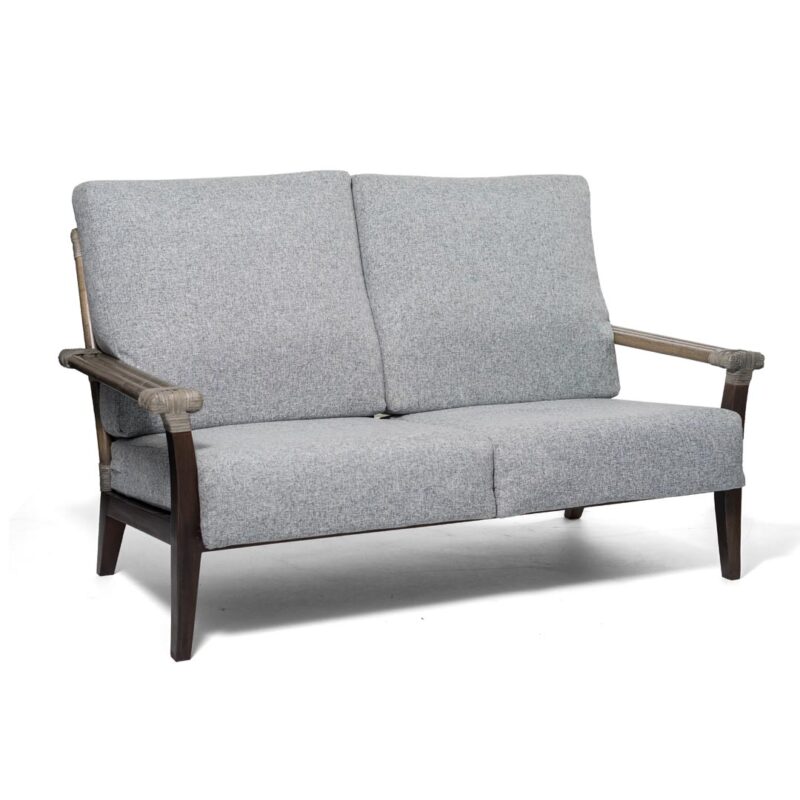
Natural rattan sofas are increasingly sought after, offering a unique blend of aesthetic appeal, comfort, and material durability. As a natural material, rattan not only imparts a warm, organic feel but also possesses a distinctive charm that is difficult for synthetic materials to replicate. Thanks to its strength, flexibility, and longevity, rattan yields furniture that is both visually stunning and functionally durable. These qualities make natural rattan sofas a favorite choice for modern homes, resorts, villas, and commercial spaces aiming to create an atmosphere that is simultaneously natural and elegant.
1. A Natural Aesthetic That Creates a Warm Atmosphere
Natural rattan sofas possess distinctive visual characteristics—natural fibers, earthy tones, and organic textures—that create a warm and soothing atmosphere. The presence of these natural elements makes a space feel more vibrant, harmonious, and relaxed. It is no wonder that rattan is a top choice for bringing a "homey" yet aesthetic feel to various settings, whether indoors or in semi-outdoor areas.
2. Structural Strength and Durability for Long-Term Use
Rattan is known for having strong yet flexible fibers, making it easy to shape without compromising its durability. This material effectively supports weight and is resistant to cracking. With simple maintenance, natural rattan sofas can last for years, making them a worthwhile furniture investment for both residential homes and commercial settings such as hotels and resorts.
3. Environmentally Friendly and Sustainable
As a fast-growing natural material, rattan is a renewable resource that is more environmentally friendly than many other furniture materials. Its production process generally requires less energy as well. Choosing a natural rattan sofa supports the use of sustainable materials and helps reduce the furniture industry's carbon footprint.
4. Suitable for Various Interior Styles
One of the key advantages of rattan is its versatility in adapting to various interior design concepts. Natural rattan sofas blend easily with styles ranging from bohemian, coastal, Japandi, and tropical to modern rustic. Its natural texture allows it to serve as either a focal point or a harmonious complementary element within a room.
The Process of Making Rattan Sofas
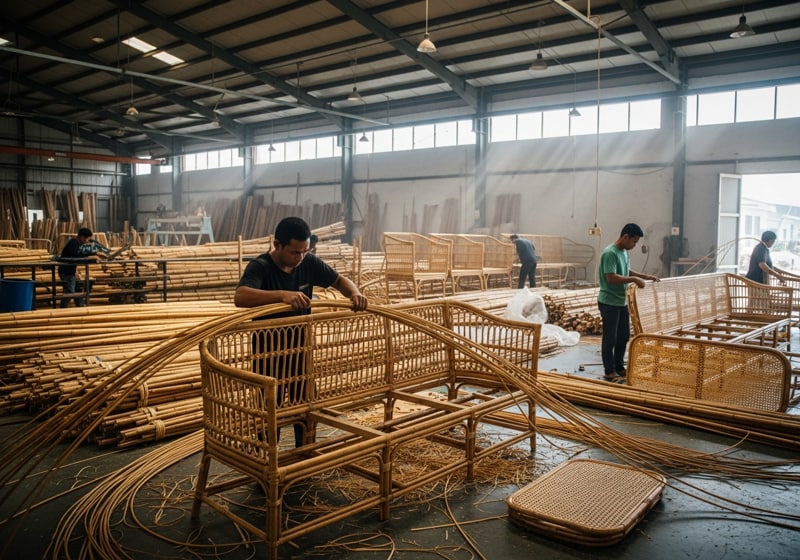
The process of crafting natural rattan sofas combines traditional craftsmanship with modern processing techniques. Every step is meticulously executed to ensure the durability, beauty, and comfort of the final product. From the selection of high-quality rattan and the drying process to frame shaping and finishing, each stage demands precision and artisan expertise. This is what gives rattan sofas not only functionality but also high artistic value. Through this structured and detailed process, rattan is transformed into elegant furniture ready to enhance a wide variety of spaces.
1. Selection and Processing of Raw Materials
The first stage begins with the selection of high-quality rattan, such as *manau*, *sega*, or varieties with a durable outer skin. The rattan is chosen based on its diameter, flexibility, and fiber strength. After harvesting, the material undergoes preliminary processing—including stripping, soaking, and drying—to remove sap, strengthen the fibers, and prevent mold and insect infestation. High-quality raw material is crucial in determining the strength and longevity of the rattan sofa.
2. Bending the Rattan Frame
The dried rattan is heated using steam or a low flame to make it more pliable. In this state, the rattan can be shaped to follow the sofa frame's design—such as the curves of the backrest, armrests, or legs. The bending process requires precision; excessive heat can cause the rattan to crack, while insufficient heat makes it difficult to shape. Once bent, the frame is clamped until the shape stabilizes, prior to being assembled into the sofa's main structure.
3. Weaving Process: Cross, Plain, and Combination Patterns
Once the frame is ready, the next step is weaving the backrest, seat, or decorative accents. There are several types of weaving patterns:
- Cross-weave pattern: provides a classic and robust look, suitable for load-bearing areas.
- Plain weave pattern: simpler and neater; commonly used in modern or minimalist designs.
- Combination pattern: combining multiple techniques to create unique textures and aesthetics.
Each piece is hand-woven by artisans, giving every sofa a distinctive character.
4. Finishing: Coloring, Anti-Mold Coating, and Varnish
During the finishing stage, the rattan sofa is colored according to the design—ranging from natural tones and honey brown to modern shades like matte black or white. Subsequently, anti-fungal and anti-termite coatings are applied to enhance the material's durability. The final step involves applying a varnish or top coat to add sheen, strengthen the surface, and protect the color from fading prematurely.
5. Quality Control for Export-Ready Products
Before being packed, every rattan sofa undergoes a rigorous quality control process. Inspections cover frame strength, the neatness of the weave, color uniformity, surface cleanliness, and the smoothness of the finish. Products that meet the standards are then wrapped in export-safe materials and labeled according to the international buyer's specifications.
Most Popular Rattan Sofa Models & Designs
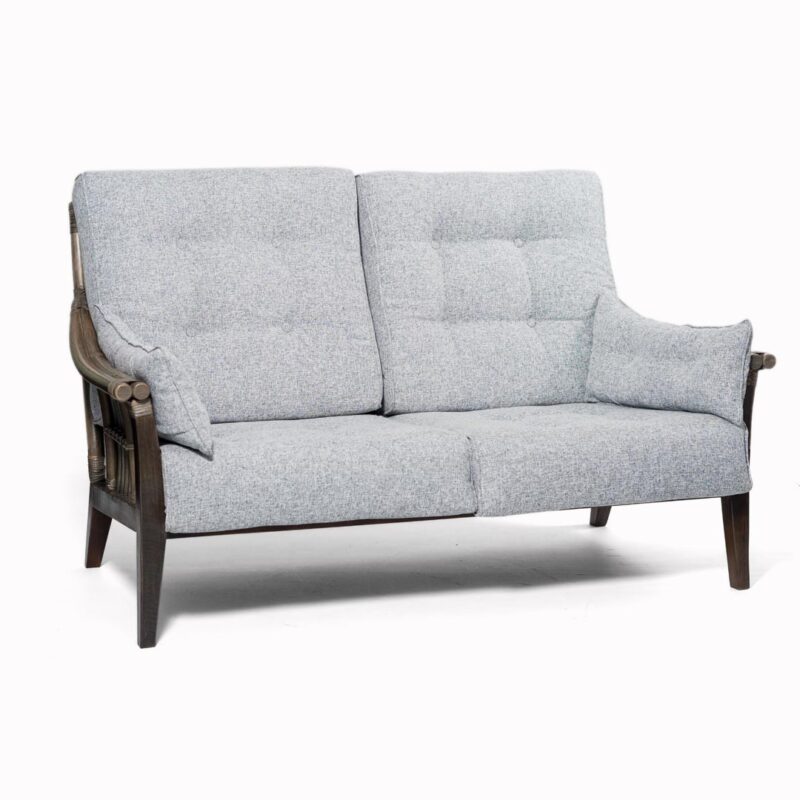
Rattan sofas come in a variety of models and designs to suit a variety of space needs, from living rooms and terraces to outdoor areas like gardens and balconies. Modern interior trends have made rattan sofa designs increasingly diverse—not just natural and traditional, but also elegant, minimalist, and contemporary. Thanks to rattan's flexible and malleable nature, pengrajin ...can yield unique, artistic, and functional sofa models. This subsection will discuss some of the most popular rattan sofa designs that are highly sought after by consumers, for both domestic use and the export market.
- 1–3 Seater Rattan Sofa
This is the most common and versatile style, suitable for living rooms, family rooms, and even home terraces. A single-seater rattan sofa typically serves as an individual chair or armchair, while 2- or 3-seater versions offer greater capacity for family comfort. Designs can be customized, ranging from simple frame shapes to artistic weaving patterns. - Rattan Corner Sofa
A favorite choice for creating a spacious yet space-saving seating area. It complements both modern and rustic interiors. The corner design offers maximum comfort while making the room appear more organized and efficient. - Rattan Sofa with Thick Cushions
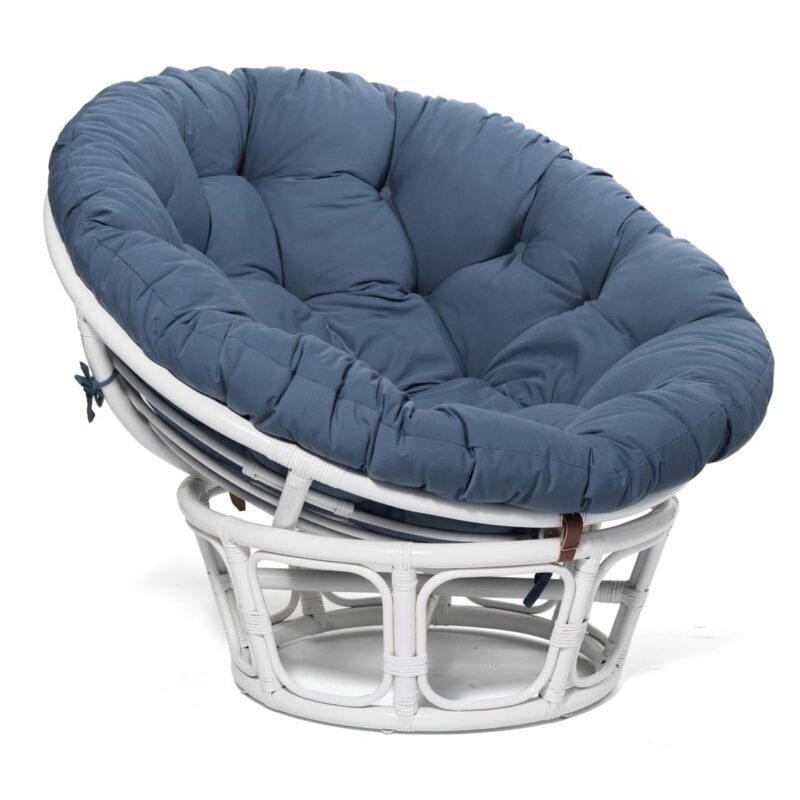
This model prioritizes premium comfort, featuring thick cushions that can be removed, washed, or replaced. The thick cushioning makes this rattan sofa an ideal choice for relaxation areas such as lounges, family rooms, or semi-outdoor terraces. - Rattan-Wood or Rattan-Iron Combination Sofa
The combination of a wood or iron frame with rattan weaving creates a strong, modern, and exclusive impression.
- Rattan and wood: more natural and warm.
- Rattan-iron: more modern, sturdy, and suitable for outdoor use.
This combination also enhances durability and provides aesthetic variety.
- Design Trends: Minimalist, Modern, Classic Boho, and Natural Rustic.
Rattan sofa designs are evolving in line with global interior trends:
- Minimalist: simple forms with natural colors.
- Modern: clean lines and a combination of materials.
- Classic Boho: unique woven patterns, artistic curves, and a relaxed vibe.
- Natural Rustic: highlights natural rattan textures with earthy tones.
Comfort & Ergonomics
Comfort is a crucial factor when selecting a sofa, including those made from natural rattan. While renowned for their aesthetics and durability, rattan sofas are also designed with ergonomics in mind to ensure comfort during prolonged use. From the backrest angle and seat depth to the use of cushions, every element is tailored to the human physique. With proper construction, a rattan sofa offers a relaxing seating experience and supports good posture, making it an ideal choice for relaxation areas in homes as well as commercial spaces like cafés and lounges. An ergonomic rattan sofa is not only visually appealing but also promotes the user's physical well-being.
The Importance of Choosing a High-Quality Cushion
Cushions are the key element determining the comfort of a rattan sofa. Since rattan frames tend to be firm, high-quality cushions are essential to provide a soft feel and proper body support. A good cushion is not only comfortable but also retains its shape over long-term use. The use of breathable, easy-to-clean upholstery fabric further enhances both comfort and durability.
Standards for Seat Depth and Height
To ensure a rattan sofa is ergonomic, the seat depth and height must adhere to standards for human body comfort.
- The ideal seat depth is in the range of 50–60 cm—sufficient to support the thighs without causing the body to sink in too deeply.
- A comfortable seat height is typically around 38–45 cm from the floor, making it easy for users to sit down and stand up without strain.
This standard is important—especially for 2- or 3-seater sofas—to ensure suitability for prolonged use without causing back or leg discomfort.
Use of Premium Foam for Maximum Comfort
Premium foams, such as high-density foam or bonded foam, can provide optimal comfort because:
- Doesn't go flat easily
- More elastic and durable
- Provides even support to the body.
On the rattan sofa, the combination of premium foam and thick cushions ensures a comfortable and ergonomic seating experience. A cushion thickness of 10–15 cm is also ideal for creating a seat that is plush yet stable.
Rattan Sofa Care: Easy, Practical, and Durable
Natural rattan sofas are renowned for their beauty and comfort, as well as their ease of maintenance. With proper care, a rattan sofa can last for years without losing its color, strength, or textural appeal. The material's combination of lightness and durability makes cleaning and upkeep far more convenient compared to other types of furniture.
Routine care—such as dusting, maintaining proper humidity levels, and protecting the furniture from extreme weather—helps keep rattan durable and resistant to cracking. Additionally, the use of removable cushions makes cleaning easier. With simple yet consistent maintenance, a rattan sofa can remain a standout decorative feature in your living room, on your patio, or in your outdoor spaces.
How to Clean Rattan to Prevent It from Becoming Dull Quickly
Cleaning rattan does not require special tools, but it must be done correctly. Use a soft brush or a microfiber cloth to remove dust from the crevices of the weave. You can also use a vacuum cleaner with a small nozzle to prevent dust buildup that could make the rattan look dull. Occasionally, wipe the rattan with a damp cloth to maintain its natural sheen without getting it too wet.
Avoiding Exposure to Water and Excessive Heat
Natural rattan is sensitive to excessive moisture and extreme heat. Avoid placing the rattan sofa in direct sunlight, as this can cause the fibers to dry out and crack. Similarly, regarding water exposure—standing water on the rattan surface can lead to mold growth and discoloration. For indoor use, ensure the room has good air circulation. For outdoor use, place the furniture in a shaded area or provide protection, such as a canopy.
Periodic Maintenance: Re-coating or Specialized Cleaning
Every few months, a rattan sofa requires additional maintenance in the form of re-coating with clear varnish or a specialized anti-mold coating for rattan. This helps preserve the color, protect against moisture, and keep the surface glossy. For optimal results, use a cleaner specifically designed for natural materials that can penetrate the surface and keep the rattan fibers supple.
Tips for Indoor vs. Outdoor Use
Indoor:
- Place the sofa in a cool, dry area.
- Avoid staying near windows exposed to direct sunlight.
- Ensure the room is kept clean so that dust does not easily accumulate.
Outdoor:
- Place it in a shaded or semi-outdoor area, such as a terrace.
- Use furniture covers when not in use for extended periods.
- Choose a cushion made of waterproof material for greater practicality and durability.
Conclusion
Natural rattan sofas are a furniture choice that is not only visually appealing but also functional and eco-friendly. Thanks to the material's strength, flexibility, and natural aesthetic, rattan sofas complement a wide range of decor styles—from bohemian, Japandi, and coastal to modern rustic.
Beyond their aesthetic appeal, rattan sofas represent a long-term investment for modern homes and hospitality businesses alike—such as hotels, villas, and cafes. Their durability under daily use and ease of maintenance make natural rattan sofas an ideal choice for those seeking furniture that is elegant, comfortable, and sustainable.
 English
  Indonesian